If you have heard Indaba only in the context of corporate diversity training or a viral leadership quote, you have not really heard Indaba. Indaba and Strangers? The version of the word that survives in Southern Africa is older, stranger, and more demanding than the version that travels.
What Indaba Actually Means
Translators usually settle on something like: Indaba is a Zulu and Xhosa word for a council meeting — historically of elders, today of any group that needs to make a decision worth keeping. The form has been borrowed by international climate negotiators, corporate boards, and community organisations because of one quality: it produces decisions that hold. It does this by refusing the Western meeting model — the loudest voice, the rushed vote, the unread minutes — in favour of structured listening, ritualised speech, and visible consensus. It is a defensible translation. But translation is the surface. Indaba carries underneath it a set of assumptions — about what a person is, what owes what to whom, and what success even means — that the English sentence cannot deliver.
The wise listen before they speak; fools speak before they listen.Akan
The Question This Post Is About
How Indaba changes the small encounters with people whose names you'll never learn. The question is worth taking seriously, because Indaba is one of those concepts that loses its shape when handled carelessly — and recovers it as soon as the reader is willing to slow down and listen.
In a long marriage, Indaba is the antidote to the modern romantic fantasy that each partner is supposed to be the other's everything. The Zulu / Southern African version is gentler: you are part of a wider weave, and so is your marriage, and the marriage is held in part by the people around it. Meetings end with the convener summarising what was decided and asking each person whether they recognise the summary.
A Second Angle
If you take Indaba seriously at work, the first thing that has to change is the meeting. Not its agenda — its shape. Western meetings are optimised for speed and for the loudest contributor. Indaba is optimised for something else: for the quality of decisions that hold. Meetings end with the convener summarising what was decided and asking each person whether they recognise the summary. The trade-off is real. Meetings under Indaba take longer. The decisions also unstick less often.
Where the Concept Resists
There is a real risk in romanticising Indaba. The Zulu / Southern African traditions that produced it have always also produced internal critics — voices warning against the misuse of communal philosophy to demand conformity, to silence the young, to protect bad behaviour by elders. The honest defender of Indaba keeps those critics at the table.
What to Do With This
The reading you have just done is one entry into Indaba. There are many others. Zulu / Xhosa elders, Southern Africa writers, and the daily life of communities that have lived this concept for centuries are richer sources than any essay. Treat this as a doorway, not a destination.
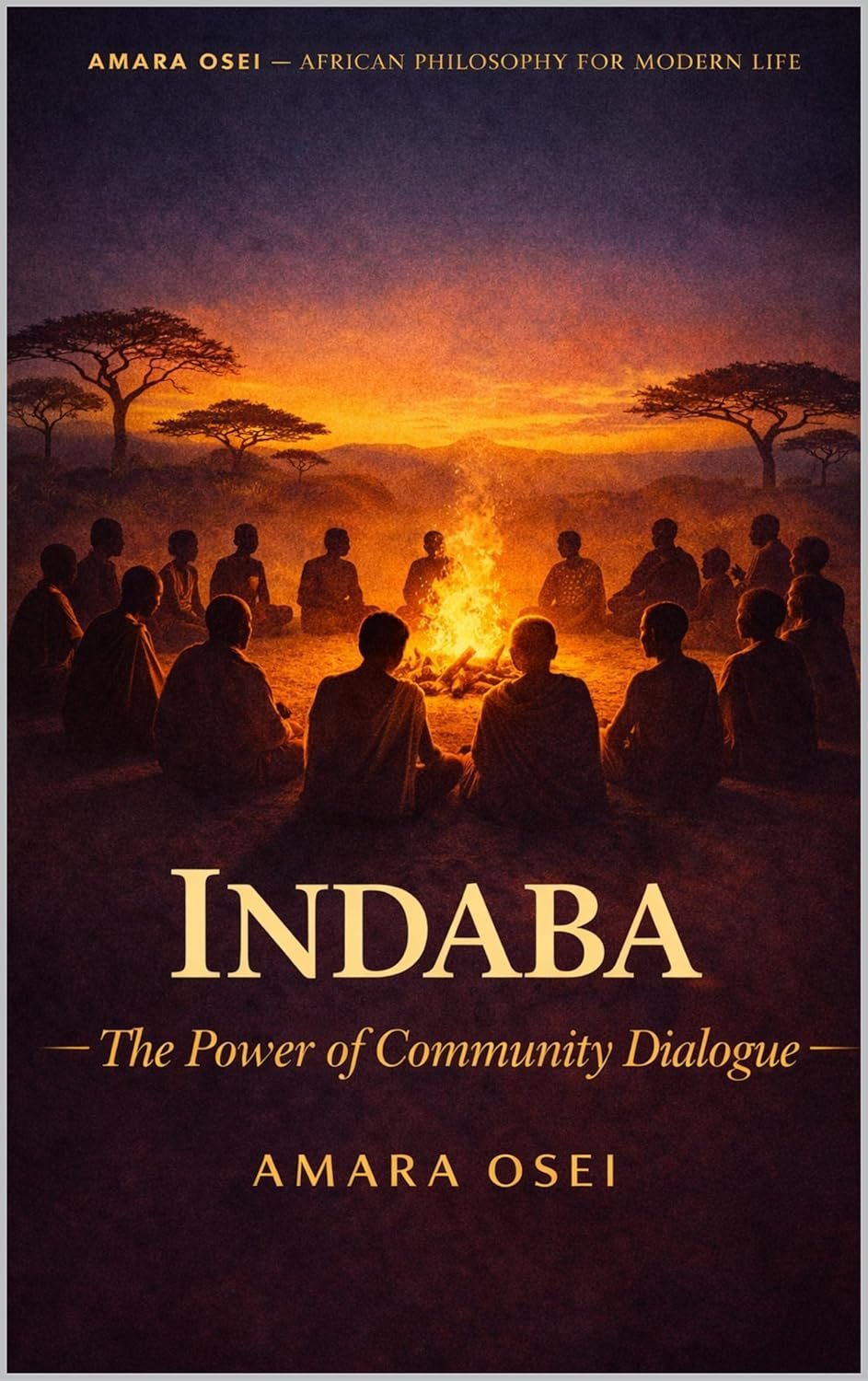
The full philosophy, as a book
How to run meetings where everyone is heard — and the decisions you make actually stick.
Read on Amazon