Ubuntu
Bantu · Southern Africa — I Am Because We Are
Ubuntu, in its most cited form, is captured in the Nguni phrase 'umuntu ngumuntu ngabantu' — a person is a person through other people. It names a worldview in which the self is not a fortress but a node in a network, and in which dignity, identity, and success are inherited from and accountable to community. It has shaped post-apartheid South Africa, modern leadership theory, and increasingly the way thoughtful organisations think about teams.
Umuntu ngumuntu ngabantu.Nguni — A person is a person through other people.
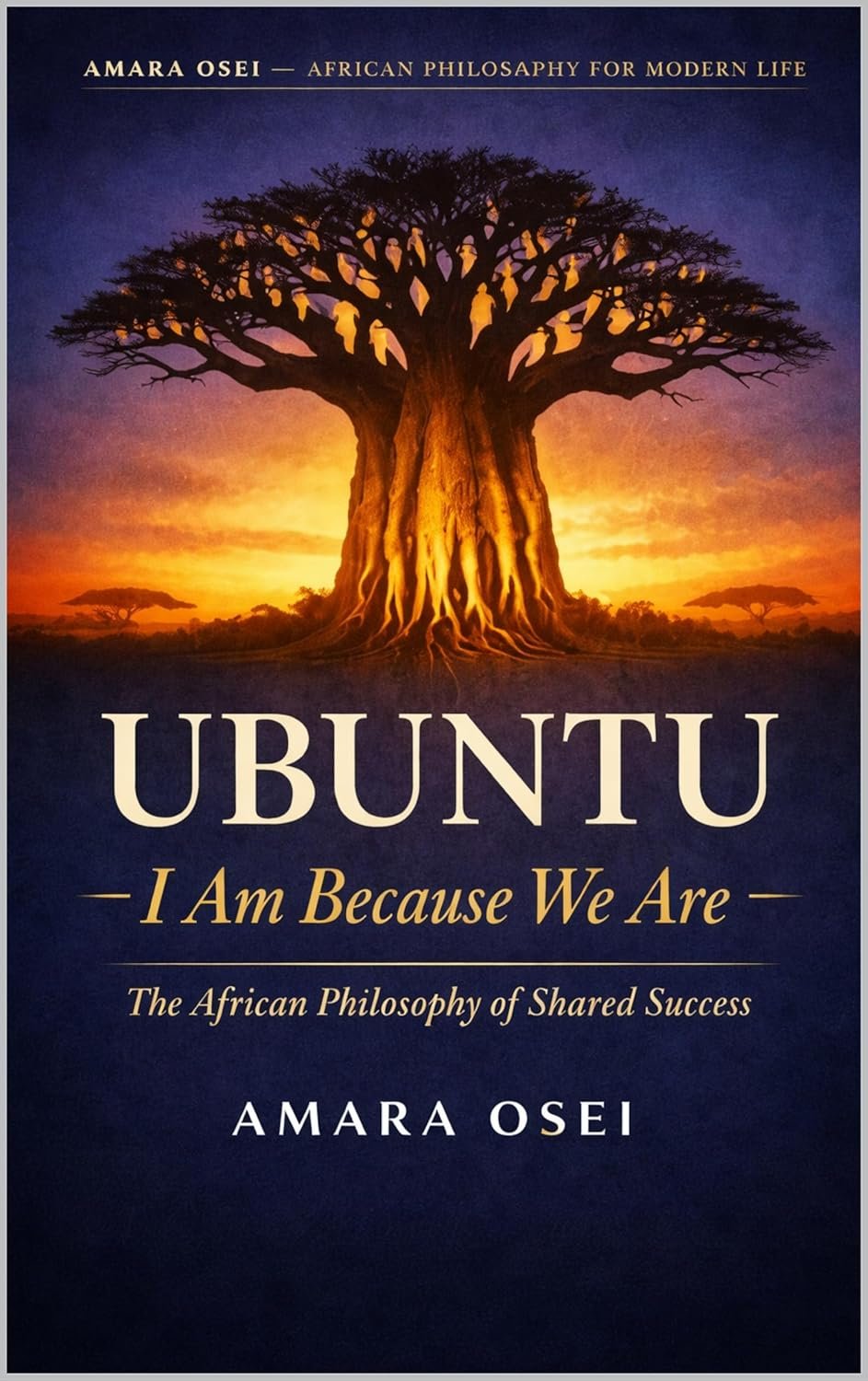
Ubuntu: I Am Because We Are by Amara Osei

The full philosophy, as a book

The full philosophy of shared success — across leadership, conflict, accountability, and the digital age.

Read on Amazon

Foundations — What Is Ubuntu?

01
What Is Ubuntu?
02
Ubuntu: Origin and Meaning
03
The Real Meaning of Ubuntu
04
A Short History of Ubuntu
05
Ubuntu in One Sentence
06
Why Ubuntu Resists Translation
07
Three Ways to Misunderstand Ubuntu
08
Three Ways to Understand Ubuntu
09
Ubuntu: A Word, A Symbol, A Practice
10
Is Ubuntu a Philosophy or a Way of Life?
11
Ubuntu for Beginners
12
Ubuntu in the Twenty-First Century
13
How Ubuntu Differs From What You Think
14
The Etymology of Ubuntu
15
Ubuntu and the Question of Translation
16
Reading Ubuntu Carefully
17
Ubuntu: Five Common Questions Answered
18
The Symbol Behind Ubuntu
19
Ubuntu Without Romanticism
20
Why Ubuntu Still Matters

Ubuntu at Work

01
Ubuntu at Work
02
Ubuntu for Leaders
03
Ubuntu in Management
04
Ubuntu for Founders
05
Ubuntu in Hiring
06
Ubuntu in Onboarding
07
Ubuntu and the Modern Workplace
08
Ubuntu for Remote Teams
09
Ubuntu and Performance Reviews
10
Ubuntu in Sales
11
Ubuntu and Customer Experience
12
Ubuntu in Marketing
13
Ubuntu for HR
14
Ubuntu in Conflict at Work
15
Ubuntu and Office Politics
16
Ubuntu in Cross-Functional Teams
17
Ubuntu and Decision-Making
18
Ubuntu for Founders Hiring Their First Ten
19
Ubuntu and Promotion
20
Ubuntu in the Startup
21
Ubuntu and the Open-Plan Office
22
Ubuntu for Project Managers
23
Ubuntu in Negotiation
24
Ubuntu for Consultants
25
Ubuntu in the Boardroom

Ubuntu in Daily Life

01
Ubuntu at Home
02
Ubuntu in Marriage
03
Ubuntu and Parenting
04
Ubuntu in Friendship
05
Ubuntu for Difficult Family
06
Ubuntu and Grief
07
Ubuntu and Loneliness
08
Ubuntu for People Who Live Alone
09
Ubuntu and Self-Care
10
Ubuntu in the Diaspora
11
Ubuntu and Money
12
Ubuntu and the Long Marriage
13
Ubuntu in a Crisis
14
Ubuntu and the Modern Friendship
15
Ubuntu and Boundaries
16
Ubuntu and Caregiving
17
Ubuntu for the Solo Traveller
18
Ubuntu and the Long Recovery
19
Ubuntu and Strangers
20
Ubuntu for the Quiet Person

Ubuntu in Conversation

01
Ubuntu vs Individualism
02
Ubuntu vs Self-Made Success
03
Ubuntu and Western Leadership Theory
04
Ubuntu vs the Hustle
05
Ubuntu vs Networking
06
Ubuntu and the Stoic Tradition
07
Ubuntu and Confucian Thought
08
Ubuntu vs Western Hospitality
09
Ubuntu and Mindfulness
10
Ubuntu vs the Productivity Movement
11
Ubuntu and Ikigai
12
Ubuntu and Wabi-Sabi
13
Ubuntu and Christian Thought
14
Ubuntu and Indigenous Philosophies
15
Ubuntu and the Modern Self-Help Bookshelf

Proverbs and Stories

01
The Proverb at the Heart of Ubuntu
02
Five Proverbs That Carry Ubuntu
03
"If You Want to Go Far, Go Together" — A Reading
04
The Story Behind Ubuntu
05
Elders on Ubuntu
06
Ubuntu in Song
07
The Symbol of Ubuntu
08
Ubuntu in Bantu Folktales
09
A Praise-Poem for Ubuntu
10
The Hardest Saying About Ubuntu

Case Studies and Narratives

01
Ubuntu in Action: A Workplace Story
02
Ubuntu and the Difficult Manager
03
Ubuntu and the New Hire
04
Ubuntu and the Failed Project
05
Ubuntu in a Family Argument
06
Ubuntu and the Job You Don't Want to Take
07
Ubuntu and the Long-Standing Conflict
08
Ubuntu in a Founder's First Year
09
Ubuntu and the Returning Diaspora
10
Ubuntu and the Decision That Could Not Be Reversed