Sankofa for the Quiet Person? It is the kind of question that admits of two answers — a quick one and a true one. The quick answer is that Sankofa means go back and fetch it. the akan wisdom that you cannot move forward well without recovering what was left behind. The true answer takes longer, because Sankofa is not really a concept; it is a way of seeing.
What Sankofa Actually Means
Sankofa is an Akan word and a symbol — most often a bird with its head turned backward, holding an egg in its beak. The egg is the future; the head turned backward is the past. Together they teach a simple, demanding idea: it is not wrong, nor shameful, to go back and fetch what you forgot. The future cannot be built on amnesia. This much is on Wikipedia and in introductory leadership books. What is harder to find — and harder to translate — is the texture of the concept: the way Sankofa shapes a thousand small daily choices in a Akan / Ghanaian household, and how those choices accumulate into a different shape of life.
If you don't know where you're going, return to where you came from.Akan
The Question This Post Is About
Sankofa is not loud. It rewards the listener and the slow speaker. The question is worth taking seriously, because Sankofa is one of those concepts that loses its shape when handled carelessly — and recovers it as soon as the reader is willing to slow down and listen.
Parenting through Sankofa is not soft parenting. The phrase 'it takes a village' has been so domesticated in English that it now means almost nothing. The Akan / Ghanaian version is sharper: the child is not yours alone, and the discipline of raising them well is not yours alone either. Every project begins by reading the postmortems of the previous three.
A Second Angle
The most concrete way Sankofa shows up in working life is in how a manager handles failure. The Western reflex is to find the responsible individual, document the failure, and move on. Sankofa insists on a slower, harder question first: what did the team make possible, and what did it fail to prevent? The shift sounds soft. It is not. Every project begins by reading the postmortems of the previous three.
Where the Concept Resists
It would be dishonest to pretend Sankofa is uncomplicated. The concept can be — and has been — used to suppress dissent in the name of harmony, to extract unpaid labour from women in the name of community, and to soften criticism that should have been sharper. Any serious reading of Sankofa has to hold these uses in view. The concept survives the criticism. But it is not innocent.
What to Do With This
There is no certificate at the end of Sankofa. There is only the slow accumulation of choices made differently — meetings shaped differently, relationships tended differently, decisions weighed differently. The reward is not visible. The cost is real. Over time the difference becomes a kind of life.
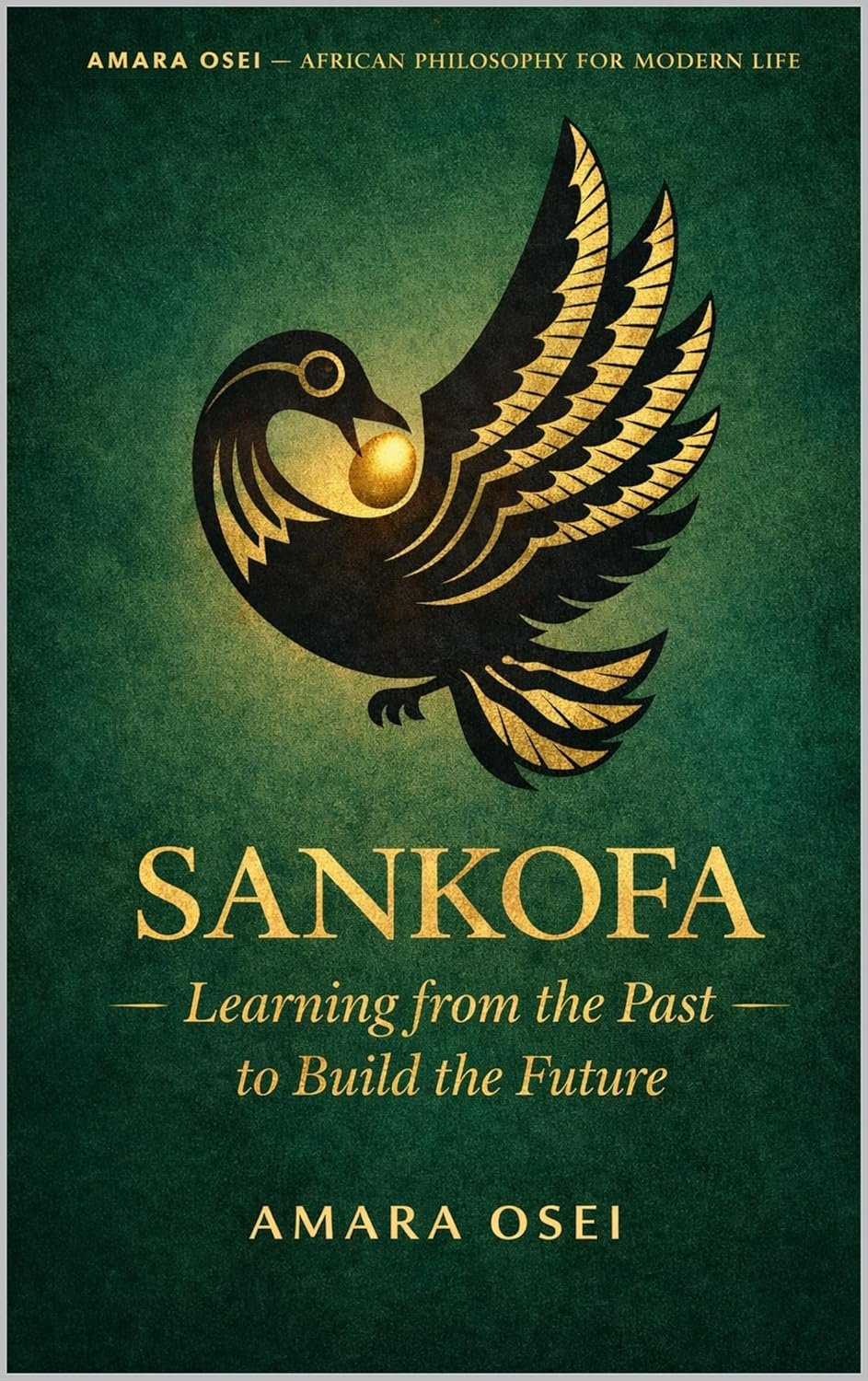
The full philosophy, as a book
How to use your history, your failures, and your traditions as fuel rather than baggage.
Read on Amazon